
BIGTREE Medicare & Nursing Home
Lindung 24/7 Is Here — But Is Malaysia Ready for the Demand?
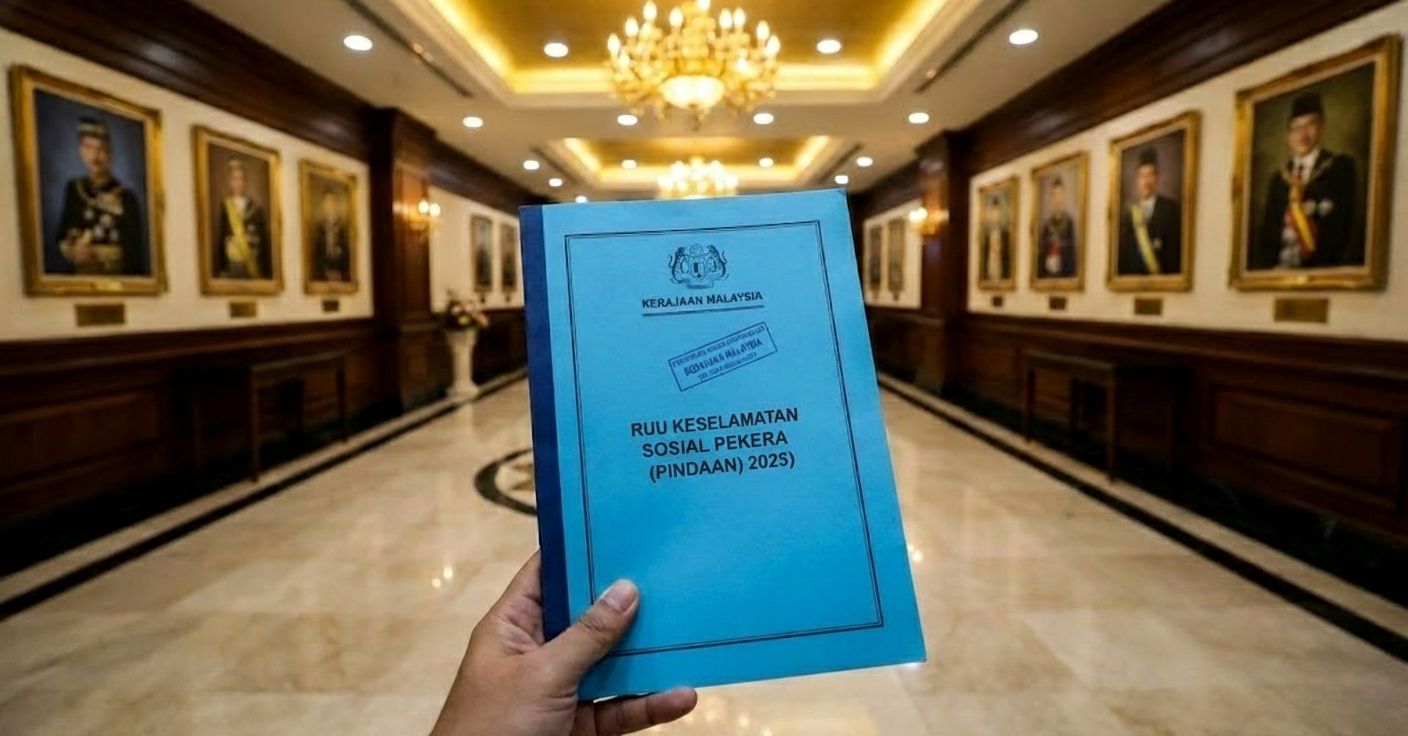
Lindung 24/7 Is Here — But Is Malaysia Ready for the Demand?
The historic PERKESO Lindung 24/7 scheme marks Malaysia’s biggest leap in worker protection since 1969. But with rehabilitation demand set to surge, the private sector has a critical role to play.
On 2 December 2025, Parliament passed a historic amendment to the Employees’ Social Security Act 1969. For the first time in 56 years, Malaysian workers will receive round-the-clock protection — not just during working hours, but at home, on weekends, and during personal time.
PERKESO’s Lindung 24/7 scheme will cover nearly 10 million formal sector workers with medical benefits, disability support, and rehabilitation services regardless of when or where an accident occurs.
Human Resources Minister Steven Sim called it a “game-changer” that could save RM600 million in taxpayer-funded medical and welfare costs in its first year alone.
The full implementation details — including phased benefit levels and contribution structures outlined in D.R. 32/2025 — await gazetting, but the direction is clear.
But behind the celebration is a pressing operational question: when millions more workers become eligible for rehabilitation and recovery support, who will actually provide the care?
The Numbers That Should Concern Us
PERKESO’s own statistics reveal the scale of unmet demand.
Between 2018 and August 2025, over 26,800 claims were rejected because they were classified as non-work-related accidents. From 2023 to October 2025 alone, over 12,300 claims were rejected for the same reason.
Under Lindung 24/7, these workers will finally qualify for benefits. That represents thousands of additional Malaysians who will need medical treatment, physiotherapy, occupational therapy, and skilled nursing support.
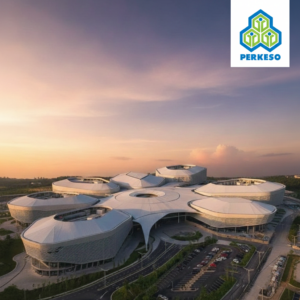
Meanwhile, PERKESO’s rehabilitation infrastructure — while world-class — faces capacity constraints.
The flagship Tun Abdul Razak Rehabilitation Centre in Melaka has served over 26,000 patients since 2014, achieving a 70% recovery rate with its advanced neuro-robotic and cybernics technology. The new Ipoh centre, the largest facility of its kind in Southeast Asia, will add capacity for 2,500 patients annually when fully operational.
But consider this: the Northern region alone recorded over 35,000 compensation claims in 2024. Approximately 10% of those cases — around 3,500 workers — require structured, comprehensive rehabilitation.
With current PERKESO centre capacity at roughly 1,630 patients at any time, and 261 panel rehabilitation providers nationwide, the system will need to expand significantly to meet demand under the new scheme.
A Case for Private Sector Partnership
Minister Steven Sim, speaking to Parliament, acknowledged that the system includes 261 panel rehabilitation centres to ensure “no contributor is left behind.”
This is where Malaysia’s private healthcare sector can step up.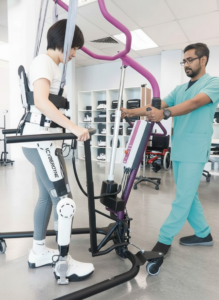
MOH-licensed skilled nursing facilities, private rehabilitation centres, and specialist physiotherapy providers already serve thousands of Malaysians recovering from stroke, surgery, and chronic conditions. Many operate 24/7, with clinical teams trained in post-acute care and return-to-work rehabilitation protocols.
The infrastructure exists. The clinical expertise exists. What’s needed is a structured framework for collaboration.
PERKESO’s Return to Work (RTW) programme already follows this model. Intensive rehabilitation cases are referred to PERKESO’s own centres, while other cases are directed to panel providers based on proximity and specialisation. The Disability Management Guideline 2023 explicitly recognises that “the partnership between various stakeholders such as employers, healthcare providers, and rehabilitation service providers” is essential to the programme’s effectiveness.
For private facilities serious about contributing to Malaysia’s social protection ecosystem, the path forward involves understanding PERKESO’s panel registration requirements, aligning clinical protocols with RTW programme standards, and demonstrating outcomes that support workers’ return to productive employment.
What Readiness Looks Like
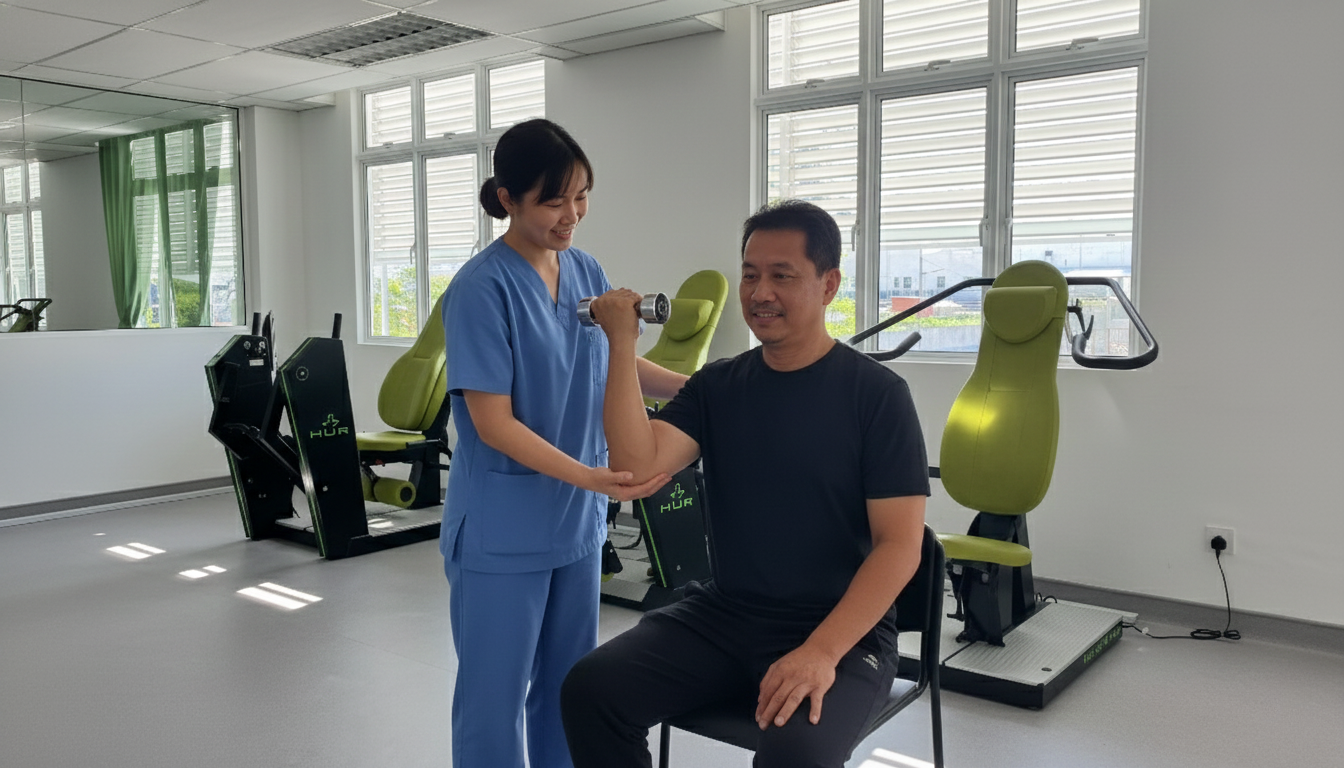
At BIGTREE Medicare & Nursing Home in Melaka, we’ve been building exactly this kind of infrastructure.
As one of only 18 MOH-licensed nursing homes in Malaysia, BTMC operates 106 beds with 24/7 skilled nursing care — the same round-the-clock model that Lindung 24/7 now provides for worker protection. Our partnership with DBC Physiotherapy brings in-house rehabilitation services including HUR intelligent pneumatic resistance equipment, designed specifically for post-injury strength recovery and return-to-function outcomes.
Located minutes from PERKESO’s flagship Tun Abdul Razak Rehabilitation Centre, we see firsthand the demand for step-down care — patients who have completed intensive rehabilitation but still need supervised recovery before returning home and to work.
This is the gap private facilities can fill: not replacing PERKESO’s specialised centres, but extending the continuum of care so workers receive uninterrupted support through their full recovery journey.
We’re currently exploring how facilities like ours can formally contribute to Malaysia’s expanding social protection network. For healthcare operators considering a similar path, the opportunity is real — and the need is urgent.
What This Means for Malaysian Families
Beyond the policy implications, Lindung 24/7 addresses a deeply human need.
Many Malaysian families have experienced the financial strain of caring for a loved one injured outside of work. A weekend motorcycle accident, a fall at home while recovering from illness, a sports injury during a family outing — these incidents previously fell outside PERKESO’s coverage.
The new scheme changes that. Workers who contribute to PERKESO will now receive medical benefits, temporary and permanent disability support, dependants’ benefits, rehabilitation services, and education assistance — regardless of when or where the accident occurred.
For families navigating post-hospital recovery, this means access to skilled nursing care and rehabilitation that was previously out of reach for many.
The Road Ahead
Lindung 24/7 represents the kind of policy progress Malaysia needs as we approach aged nation status. By 2030, over 14% of our population will be aged 60 and above. Building robust rehabilitation and recovery infrastructure isn’t just about worker protection — it’s about preparing our healthcare system for the demographic realities ahead.
The private sector has an opportunity and a responsibility to be part of this national effort. Whether as panel providers, training partners, or innovators in care delivery, healthcare operators can help ensure that Lindung 24/7’s promise translates into real outcomes for Malaysian workers and their families.
PERKESO has built the foundation. Now it’s time for the broader healthcare ecosystem to help carry the load.
BIGTREE Medicare & Nursing Homeprovides skilled nursing care and rehabilitation services to residents recovering from stroke, surgery, and chronic conditions. To learn more about our care services, contact us at +6012 685 5103 or visit www.bigtree.care.
Disclaimer: This article provides general information about policy developments and should not be considered legal or healthcare advice. For specific questions about PERKESO benefits or claims, please contact PERKESO directly at 1-300-22-8000 or visit www.perkeso.gov.my.
Leave A Comment